From Wax to Wonder: Understanding the Lost-Wax Casting Process
Lost-wax casting is one of the oldest manufacturing processes still in daily use — and understanding it makes every other decision in this process make more sense.
The process, in five steps
- Model — traditionally hand-carved wax, now most often a resin-printed pattern
- Invest — the model is suspended in a flask and surrounded with investment plaster
- Burn out — the flask is heated until the resin or wax pattern fully volatilizes, leaving a precise negative cavity
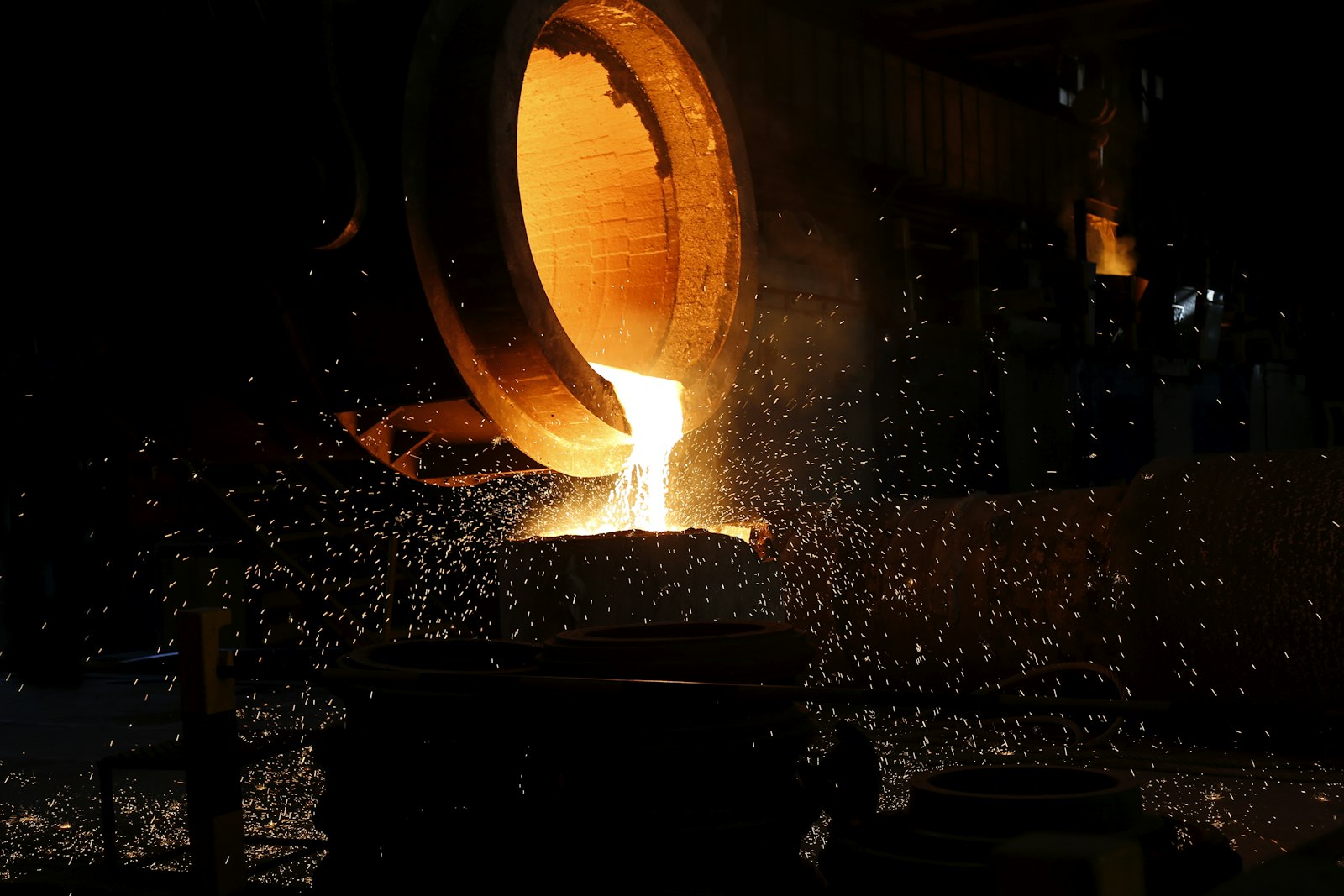
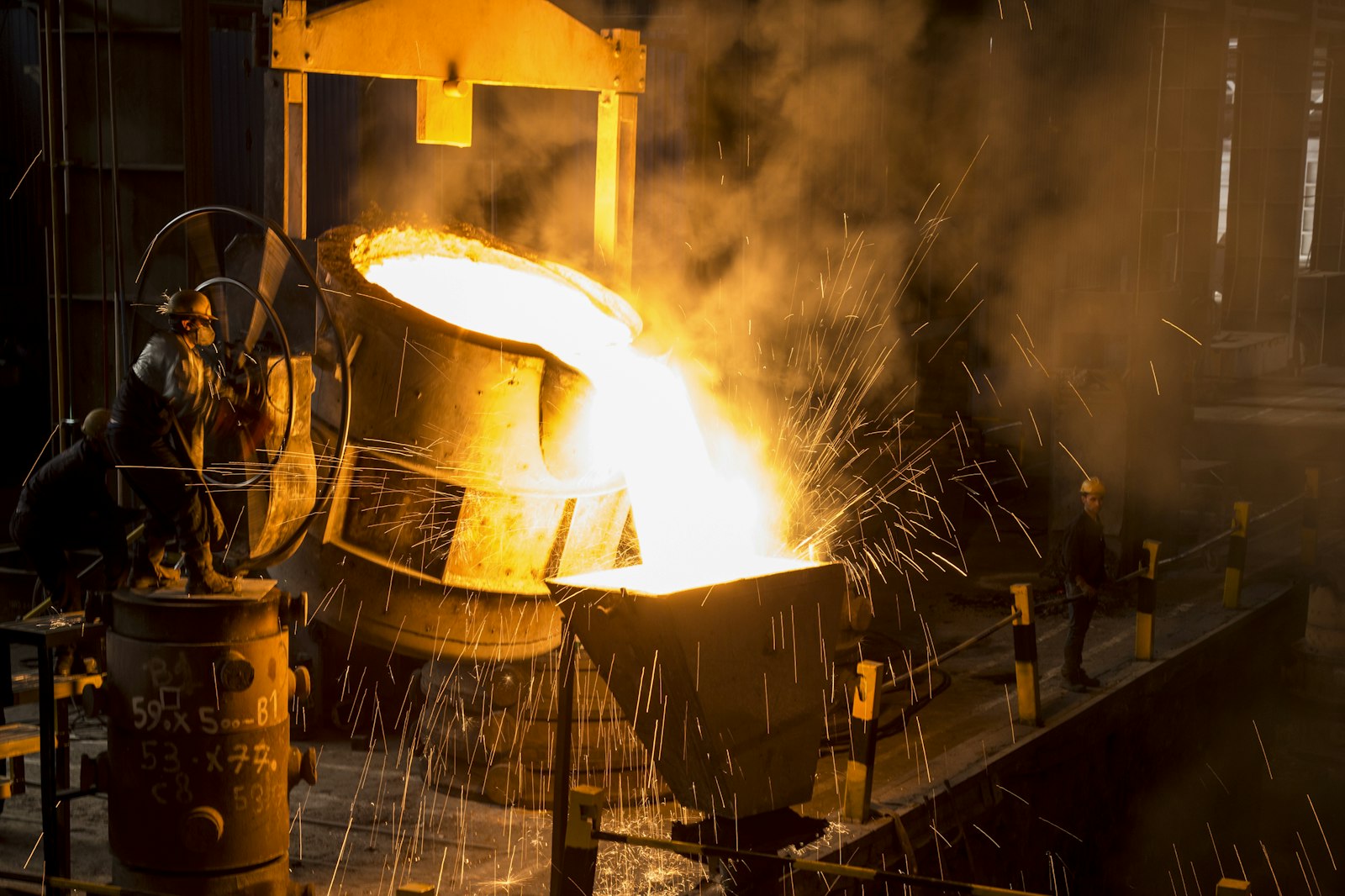
- Cast — molten metal is forced into that cavity, taking the exact shape the pattern left behind
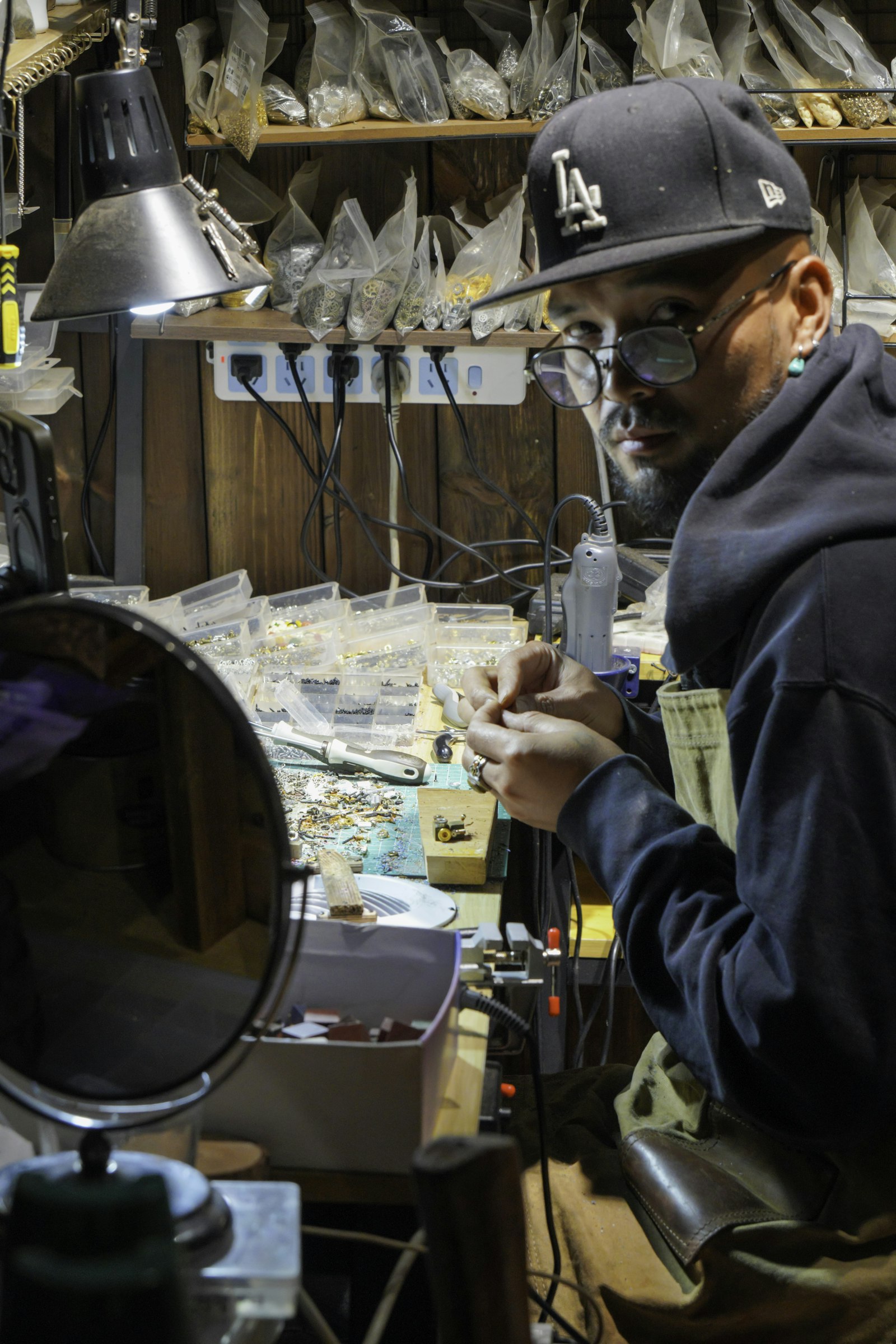
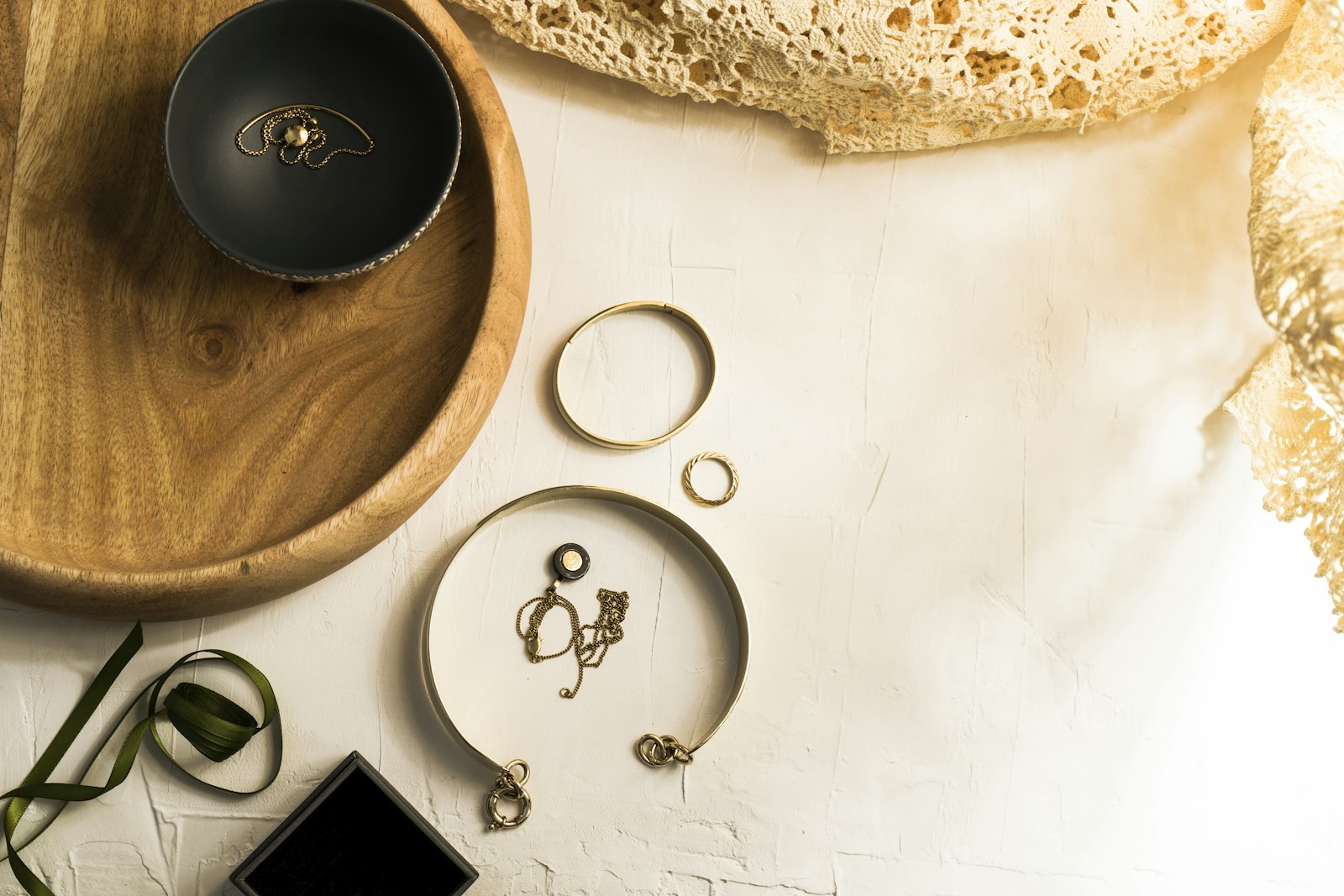
- Divest and finish — the investment is broken away, and the casting is cut from the sprue, cleaned, and polished
The name is literal: the pattern is "lost" in the burnout, replaced entirely by metal that fills the void it left.
Why resin replaced hand-carved wax
Hand-carved wax tops out at whatever level of precision a skilled carver's hands can achieve, and it doesn't reproduce — every carved model is one casting attempt. Resin printing changed both of those constraints: a digital model can be printed identically as many times as needed, at a level of detail (especially with a fine-detail formulation) that's difficult to hand-carve consistently.
What didn't change is steps two through five. The investment, burnout, and casting stages work exactly the same way they did when the pattern was beeswax — which is why a resin engineered to burn out clean, without ash or residue, matters just as much as it did a thousand years ago.
Where clarity actually comes in
It's worth saying plainly: resin clarity affects steps one and (indirectly) three, but has no bearing on the finished metal casting itself — a cloudy resin and a crystal-clear resin burn out to the same negative cavity if the formulation is otherwise sound. Clarity matters for a different reason: it's how you catch print defects — bubbles, layer lines, incomplete cure — before you invest a pattern you can't inspect once it's encased in plaster.