Standard, Fast, or Ultra: How to Actually Choose
The question we hear most often isn't "which resin is best" — it's "which one is best for what I'm actually doing." Those are different questions, and the second one has a real answer.
Start with your bottleneck
If cure time is what's slowing your studio down — you're running multiple print jobs a day and the printer sits idle waiting on cure — Fast is the obvious answer. You're trading a small amount of working time for a 3–4 hour cure window instead of 6–8.
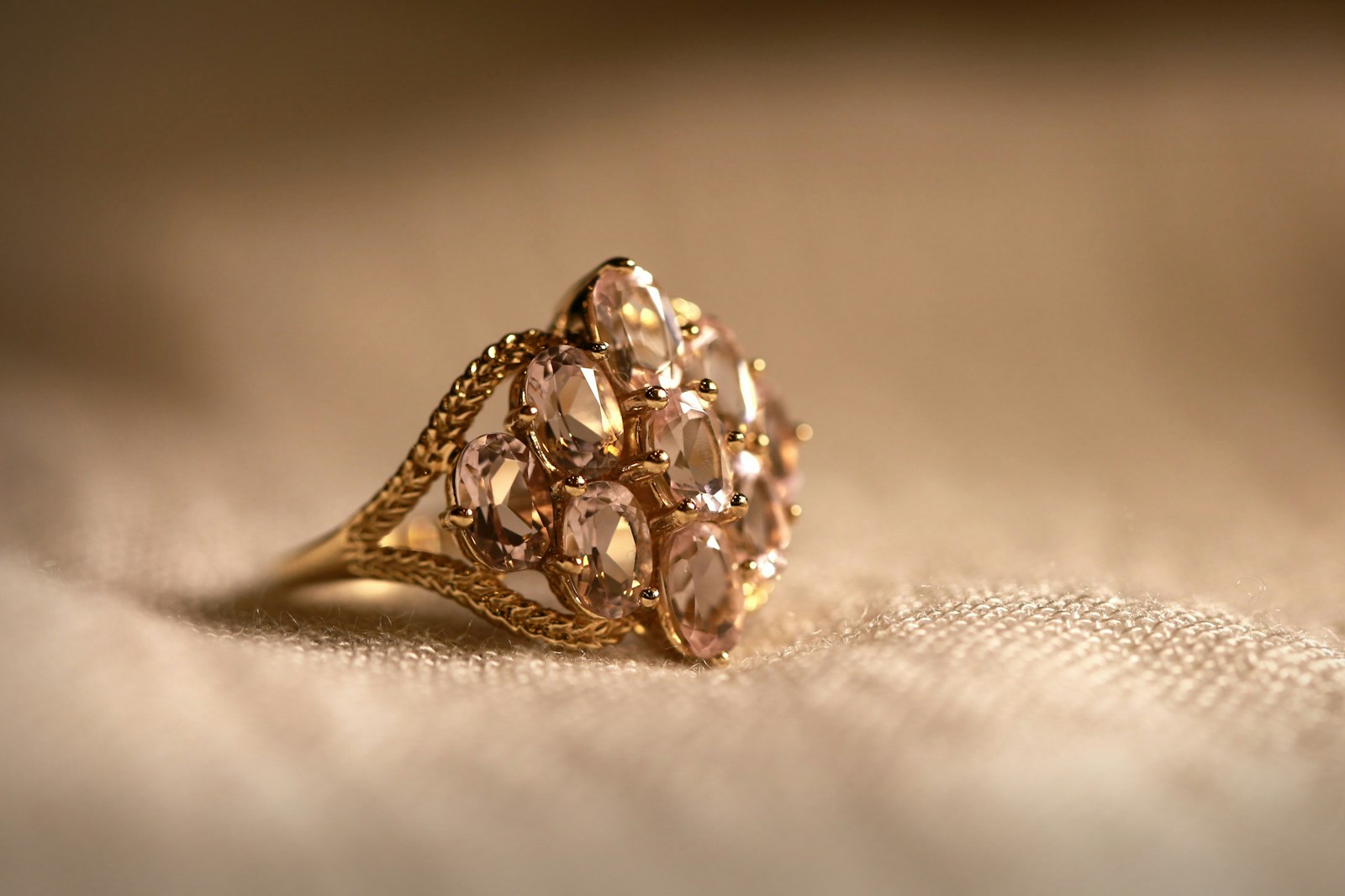
If you're casting one-off pieces where the client is going to inspect the finished ring under a loupe, and cure time isn't the constraint, Ultra is worth the extra hours. It's formulated for the kind of fine detail retention that shows up in filigree and intricate prong settings — the difference is subtle on a plain band and very obvious on anything ornate.
Standard exists because most studios don't live at either extreme. It's the formulation most people should default to unless they have a specific reason not to.
A simple way to decide
- Are you production-constrained by cure time? → Fast
- Is this piece detail-critical (filigree, fine prongs, textured surfaces)? → Ultra
- Neither of the above? → Standard
One mistake to avoid
Don't switch formulations mid-batch without adjusting your burnout schedule. Each formulation's cure profile assumes a consistent burnout curve — mixing Fast and Ultra pieces in the same kiln run without accounting for that is the most common cause of inconsistent results we hear about.